


























Chicken Pox or Shingles During Pregnancy


What is varicella during pregnancy?
Varicella, aka chicken pox or shingles, is a highly contagious virus that can be especially serious for pregnant women.
What are the signs of varicella during pregnancy?
As with many viral infections, the first sign of varicella is a fever accompanied by body aches and a headache. Next up is the telltale rash, which usually appears as small, itchy reddish spots or pimples.
Are there any tests for varicella during pregnancy?
Your doctor will likely be able diagnose you on symptoms alone, but a blood test will definitively determine whether you’ve got the virus.
How common is varicella during pregnancy?
Not very. About 95 percent of women of childbearing age are immune to varicella. That’s because most adult women either contracted chicken pox in childhood or have been inoculated against it, so they carry the antibodies in their blood. (A blood test can help determine if you have the antibodies.)
How did I get varicella?
Not everyone is immune, so if you were around someone who had it and was contagious, that’s probably how you contracted the infection. The virus spreads through the air and by direct contact, so if a contagious person has a coughing or sneezing fit or gives you a big hug, he or she can pass the virus along. A person is contagious from one to two days before their rash appears until all the blisters have formed scabs, so whoever passed it to you probably didn’t know they had it yet.
How will varicella affect my baby?
If you contract the virus while you’re pregnant, you can develop a severe respiratory infection. If you get it in your first trimester there’s a very low (less than 1 percent) risk of birth defects, including low birth weight, scarring, and problems with arms, legs, brain and eyes. That risk doubles to about 2 percent if chicken pox occurs between your 13th and 20th weeks. And if you come down with the virus just before or after delivery, there’s a 20 to 25 percent chance your baby will also develop the disease, which carries a high mortality risk (as much as 30 percent — scary!). See next page for treatment and prevention tips.
What’s the best way to treat varicella during pregnancy?
Most of the time you just have to wait it out. Eventually symptoms will go away on their own (in about 5 to 10 days), although you can use calamine lotion or similar products to help alleviate the itching caused by the rash. An oatmeal bath can also help curb the itchiness.
What can I do to prevent getting varicella?
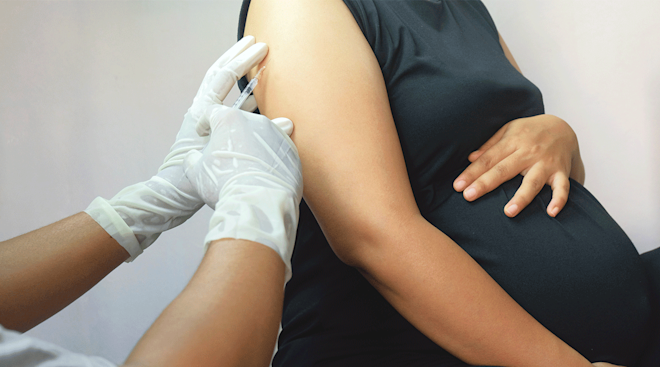
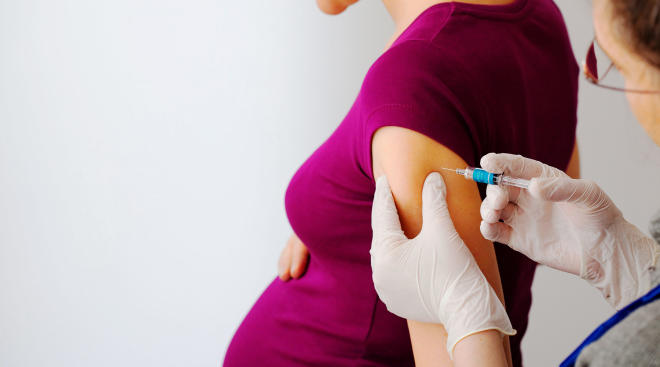
Unfortunately, once you’re pregnant you shouldn’t get the chicken pox vaccine, so if you don’t have immunity, it’s important to avoid anyone who does have the virus. Thankfully, most people are now vaccinated against it or have already had it. Make sure your partner and anyone else you live with is immune.
What do other pregnant moms do when they have varicella?
“I got shingles in my first pregnancy at 14 weeks. No idea how I contracted it. I was put on some herpes medicine, and my baby is totally normal and fine.”
“I’m 18 weeks pregnant, and my doctor just diagnosed me with shingles. Which is painful, but mostly just stressful. I asked about birth defects; she said there is a risk, but very small.”
“I had shingles during my last pregnancy, and it was awful. And buying Valtrex (I think this is commonly used for genital herpes) with my giant pregnant belly was a little awkward!”
Are there any other resources for varicella during pregnancy?
Please note: The Bump and the materials and information it contains are not intended to, and do not constitute, medical or other health advice or diagnosis and should not be used as such. You should always consult with a qualified physician or health professional about your specific circumstances.
Plus, more from The Bump:
Navigate forward to interact with the calendar and select a date. Press the question mark key to get the keyboard shortcuts for changing dates.