


























How to Clean Baby's New Teeth


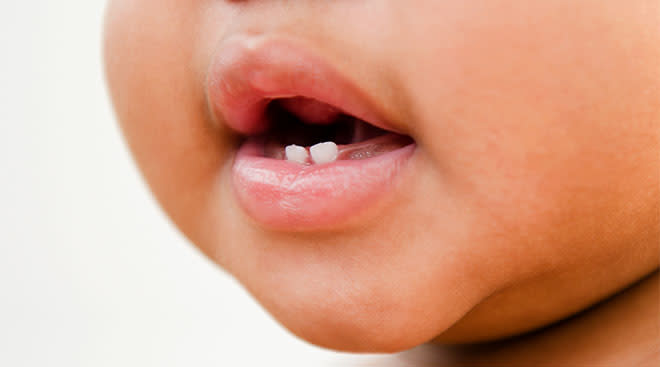
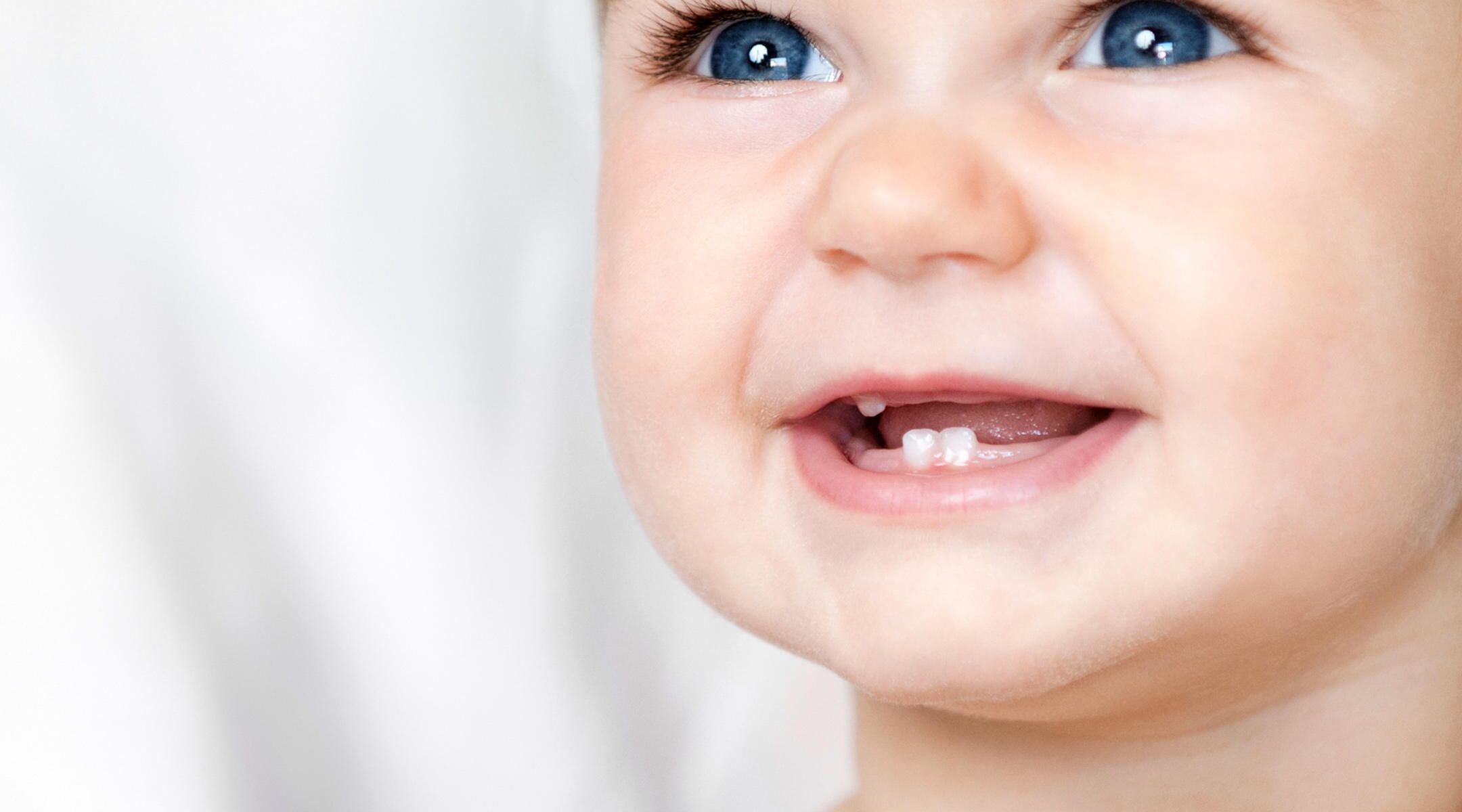
You may be wondering why it’s important to clean baby’s teeth when he or she is just going to lose them in a few years anyway. Well, look at those baby teeth as benchwarmers—these first tiny teeth hold the place for baby’s adult teeth. If they’re unhealthy or deformed in infancy, chances are baby’s adult teeth will have some trouble growing in properly. And in the US tooth decay is the most common chronic disease in children.
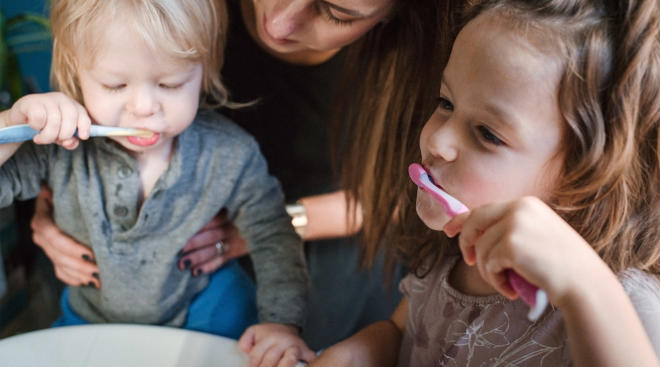
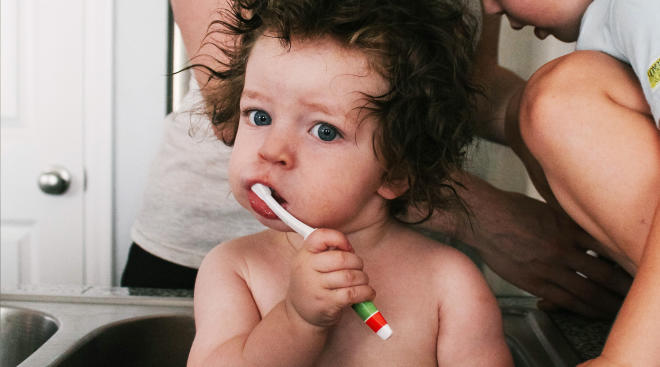
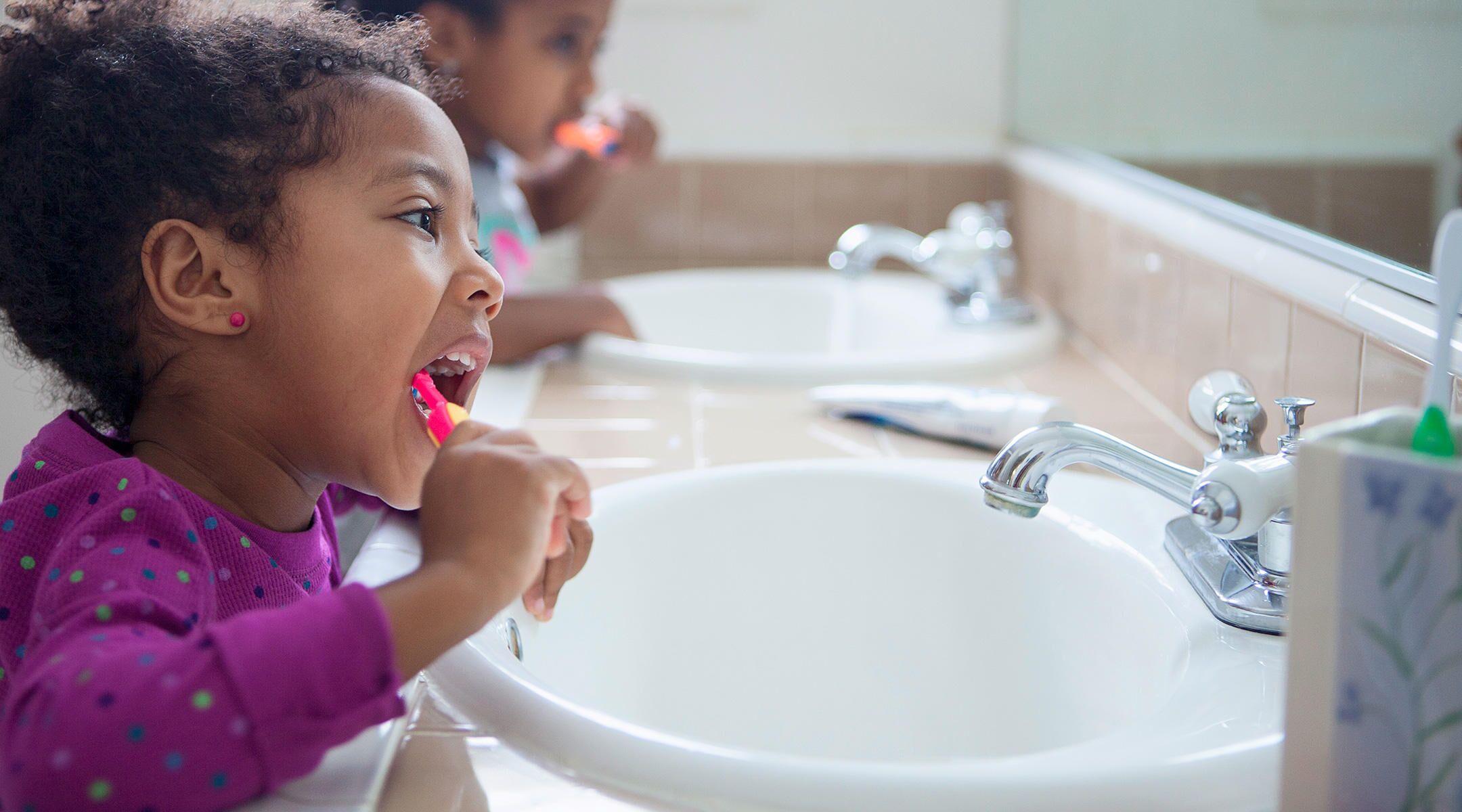
So, now that you know why baby’s teeth must be cleaned, how do you go about cleaning only a tooth or two? Gentle is the key word in dental care as baby’s teeth are still soft and sensitive. You can put a damp, clean gauze pad on your finger and gently wipe baby’s teeth, or use a soft, clean washcloth. They even make disposable finger brushes specifically for babies (ask your pharmacist or dentist for recommendations). A baby brush with no more than three rows of soft bristles is also okay and should be available at major drugstores. If you do go this route, change the brush every two to four months because even though you can’t see it, bacteria builds up on it.
Babies also don’t need as much toothpaste as you do. In fact, too much fluoride is toxic to their system. Remember, babies don’t spit; they swallow, so fluoride in water combined with fluoride in toothpaste can be dangerous. The American Academy of Pediatrics recently backed earlier recommendations from the American Dental Association, deciding that cleaning baby’s new teeth with a shmear of fluoride toothpaste (the size of a grain of rice) is safe. By age 3, you can upgrade to a pea-sized amount.
While brushing twice a day is sufficient, it doesn’t hurt to wash baby’s teeth after meals and before bed. Make sure to also wipe the front of baby’s tongue because it’s a haven for germs. Just don’t go too far back or you can cause baby to gag.
So when should baby go to the dentist? The American Academy of Pediatric Dentistry recommends that “first visit by first birthday,” but in the meantime, to help protect baby’s pearly whites you should focus on a healthy diet. For example, watch baby’s sugar intake (including natural and artificial) and make sure he or she gets calcium, phosphorous, fluoride (yes, small amounts are okay) and vitamin C (good for the gums). And never let baby sleep with a bottle—the sugars from breast milk and formula will rot those tiny teeth. If you must serve juice, water it down and serve it in a cup so it spends less time on his or her teeth. And, if baby is on solids, add some cheese at the end of a meal: It encourages saliva production, which can wash away cavity-causing acids and sugars from the mouth.
Please note: The Bump and the materials and information it contains are not intended to, and do not constitute, medical or other health advice or diagnosis and should not be used as such. You should always consult with a qualified physician or health professional about your specific circumstances.
Navigate forward to interact with the calendar and select a date. Press the question mark key to get the keyboard shortcuts for changing dates.